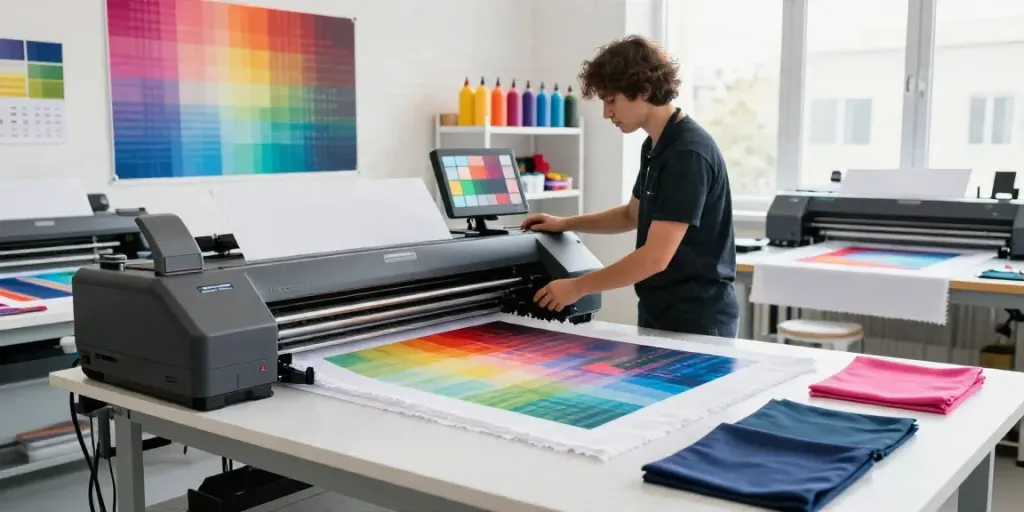
Understanding DTF Printing Technology
Direct-to-Film (DTF) printing has rapidly emerged as a preferred method for garment decoration, offering unparalleled versatility and high-quality output. This innovative process involves using specialized film and ink to transfer vibrant designs onto various textiles, paving the way for unique customization options. By delving into the intricacies of DTF printing, including its components and operational differences from traditional methods, businesses can leverage its advantages effectively. When exploring options, imprimante dtf france provides comprehensive insights into this technology and its capabilities.
What is DTF Printing?
DTF printing is a method that uses a heat transfer process to apply designs onto fabrics. This technology leverages high-quality DTF inks that penetrate the film, allowing for intricate designs to be printed and then transferred to the garment using a heat press. Unlike other printing techniques, DTF enables printing on an array of materials including cotton, polyester, spandex, and more, making it suitable for a wide range of apparel products.
Key Components of DTF Printers
Understanding the components of a DTF printer is vital for optimal usage:
- DTF Ink: Specially formulated for flexibility and vibrant colors, ensuring longevity and durability.
- PET Film: A type of film that acts as the medium for transferring designs, allowing for detailed prints.
- Heat Press: Used to affix the design to the fabric, providing the necessary heat and pressure for a successful transfer.
How DTF Differs from Traditional Printing Methods
DTF printing distinguishes itself from traditional methods like Direct-to-Garment (DTG) and screen printing in several ways:
- Material Versatility: While DTG is limited to cotton fabrics, DTF can print on a variety of materials including synthetic blends.
- Color Vibrancy: DTF yield brighter colors and sharper details compared to DTG, making it ideal for complex designs.
- Cost Efficiency: DTF is often more cost-effective for small runs, allowing businesses to respond quickly to market demands.
Advantages of DTF Printing Over DTG
Versatility with Various Fabrics
One of the standout features of DTF printing is its ability to print on a diverse selection of fabrics. Whether you're working with cotton, polyester, or spandex, DTF technology adapts seamlessly, making it an ideal choice for custom apparel shops. Furthermore, DTF printing can handle blends and more challenging fabrics, providing flexibility that is critical in today’s market.
Cost-Effectiveness for Small Businesses
For small businesses looking to enter the custom apparel space, DTF printing offers a budget-friendly solution. The initial investment in DTF printers is typically lower than DTG printers, while the ongoing cost of inks and materials remains competitive. This makes DTF an attractive option for startups and small-scale operations aiming to maximize profitability.
Superior Color Brightness and Detail
The color brightness achieved through DTF printing is often superior to that of traditional methods. DTF inks are designed to adhere vibrantly to fabrics, resulting in prints that do not fade easily, ensuring longevity and satisfaction for customers. This feature is particularly important for businesses that want to provide high-quality products that reflect attention to detail.
Common Challenges with DTF Printers
Understanding Potential Technical Issues
While DTF printing offers numerous advantages, it is not without challenges. Users may encounter technical issues such as clogging of print heads or inconsistencies in ink flow. Regular maintenance and understanding troubleshooting techniques can mitigate these issues effectively.
Dealing with Ink and Material Quality
The quality of both ink and transfer film plays a pivotal role in the final output. Using premium inks and films can dramatically enhance the print quality, while lower-grade materials may result in subpar prints. It's essential for businesses to invest in high-quality supplies to ensure customer satisfaction.
Maintenance Tips for Longevity
To prolong the life of a DTF printer, regular maintenance is key. This includes cleaning the print heads, ensuring the ink supply system is functioning correctly, and storing inks and films in suitable conditions. Adhering to a maintenance schedule can ensure optimal performance and longevity of the printer.
Best Practices for Optimal DTF Printing
Calibration and Color Management Techniques
Accurate calibration of the printer and effective color management techniques are essential for achieving the best results. This involves adjusting settings to match the color profiles of the inks and films used, ensuring consistency and high-quality prints.
Choosing the Right Transfer Films
Selecting appropriate transfer films is crucial to the success of DTF printing. Different films have unique characteristics that affect the final print; therefore, understanding these differences can help in achieving the desired outcomes.
Innovative Design Strategies for Unique Prints
Creativity in design can set businesses apart in a competitive market. Utilizing software that allows for intricate designs and understanding trends can help in generating unique prints that attract customers. Experimentation with colors and patterns also contributes to outstanding results.
Future Trends in DTF Printing for 2026
Emerging Technologies and Innovations
As the printing industry evolves, so do the technologies behind it. Future advancements may see improved ink formulations, faster printing speeds, and smarter software solutions that provide automated calibration and troubleshooting. Staying ahead of these trends is crucial for businesses aiming to remain competitive.
Market Predictions and Growth Opportunities
Market insights suggest that the demand for DTF printing will continue to rise, especially within the custom apparel market. As personalization becomes increasingly popular, businesses that adopt DTF technologies can capitalize on this growing trend and expand their service offerings effectively.
Stakeholder Insights and Expert Opinions
Industry experts predict that collaboration between equipment manufacturers and software developers will create more user-friendly systems, enhancing the overall DTF experience. Engaging with industry professionals and forums can provide valuable insights and keep businesses informed of best practices.
What are the costs associated with an imprimante DTF in France?
The pricing of DTF printers in France can vary significantly based on the brand and specific features. Generally, entry-level models are available, making it feasible for smaller businesses to invest without hefty financial risks. Consultation with suppliers and comparing options can lead to finding the right machine within budget constraints.
How does DTF printing compare to other textile printing methods?
DTF printing's unique combination of versatility, cost-effectiveness, and quality positions it favorably against methods like DTG and screen printing. Each technique has its pros and cons, but for many applications, especially those requiring customization and vibrant designs, DTF stands out as a top choice.
What maintenance is required for an imprimante DTF?
Maintenance is essential for maintaining the performance of an imprimante DTF. This includes regular cleaning of the print heads, monitoring ink levels, and performing software updates. These practices help prevent common issues and extend the lifespan of the machine.
Can DTF printers handle large volume printing?
Yes, many DTF printers are designed to handle large volumes efficiently. With advancements in technology, businesses can scale their operations while maintaining print quality, making DTF a viable option for high-demand scenarios.
What are the environmental impacts of DTF printing?
As with any printing technology, DTF printing has environmental considerations. The inks and materials used must be evaluated for their environmental impact, and efforts should be made to source sustainable products that align with eco-friendly practices. This not only benefits the planet but can also attract environmentally-conscious consumers.